




Lala’s Legacy Still Felt Across Hawaii
Tropical Storm Lala remains an important part of Hawaii’s recent weather story as communities continue recovering from the storm’s damaging impacts. The National Hurricane Center and Central Pacific Hurricane Center continue to track Lala-related conditions in the Central Pacific. (National Hurricane Center)
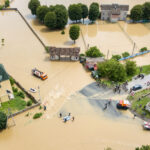
Although Lala is no longer the immediate threat it was when it approached the Hawaiian Islands, its effects have been significant. Heavy rainfall, powerful winds, flooding, downed trees, damaged infrastructure and widespread power outages affected communities, particularly on the Big Island.
Tropical Storm Lala Brought Major Impacts to Hawaii
Lala intensified dramatically before reaching the Hawaiian Islands, eventually becoming a hurricane. Its circulation passed very close to the Big Island, producing dangerous winds and torrential rainfall.
Some areas experienced more than 3 feet of rain, while powerful wind gusts contributed to widespread damage. Reports indicated that more than 100,000 customers lost electricity, homes and bridges were damaged, and major transportation routes were disrupted. (The Guardian)
The combination of extreme rainfall and strong winds created a particularly dangerous situation.
Why Was the Rainfall So Extreme?
Tropical cyclones can transport enormous amounts of moisture from warm ocean waters into mountainous terrain.
When that moisture-rich air reaches Hawaii’s mountains, it is forced upward. This process, known as orographic lifting, can dramatically increase rainfall on windward slopes.
That means even when a tropical cyclone weakens, dangerous flooding can continue if its moisture plume remains over the islands.
Big Island Communities Face Continued Recovery Challenges
The Big Island of Hawaii experienced some of the most significant effects from Lala.
Flooding damaged roads and bridges, while fallen trees and power lines created additional hazards. Some communities also faced difficult access conditions as transportation infrastructure was damaged.
The storm demonstrated how tropical systems can produce serious impacts even when their strongest winds are not directly over a community.
The Risk Doesn’t End When the Storm Weakens
One of the most important lessons from Tropical Storm Lala is that tropical cyclone hazards continue after the center of a storm moves away.
Flooded roads, unstable slopes, weakened structures, debris and downed power lines can remain dangerous for days.
Residents should avoid entering flooded roadways and stay away from damaged electrical infrastructure. Drivers should also be especially cautious around roads affected by washouts, mudslides or debris.
Hawaii Faces Another Tropical Threat
The timing of Lala has also made conditions more challenging because Hawaii is now dealing with another tropical system.
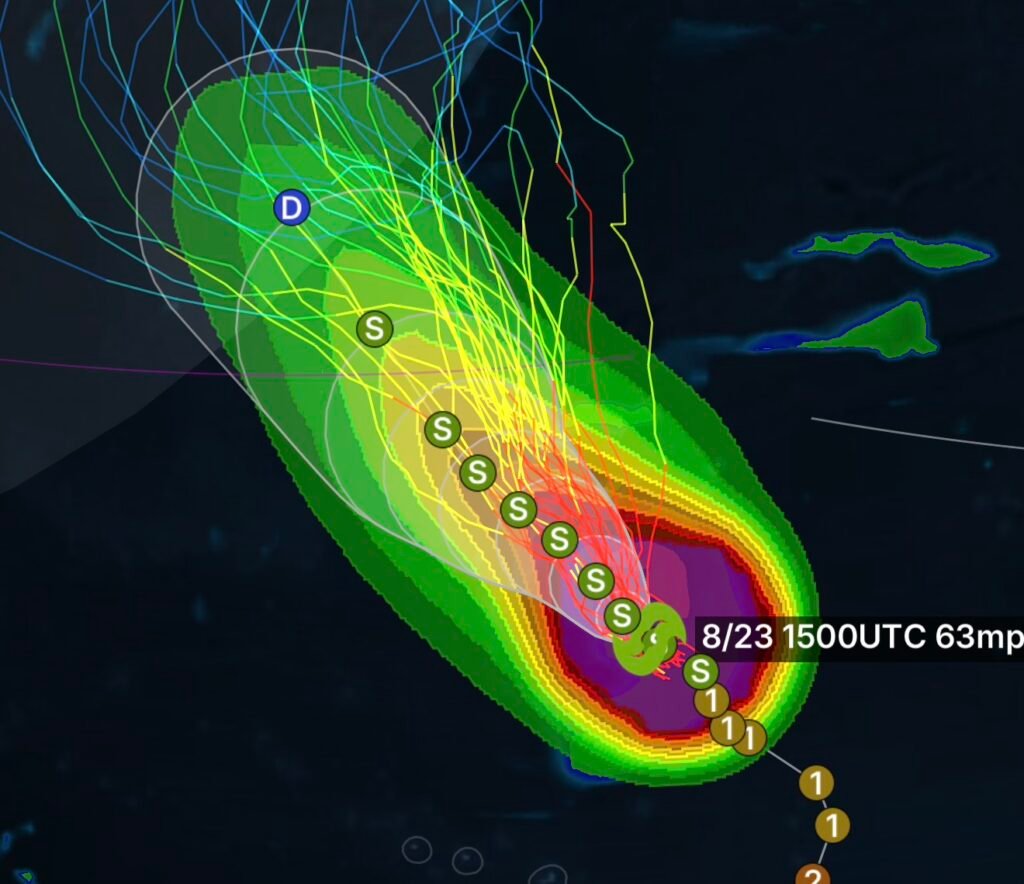
As of August 23, Tropical Storm Moke is approaching the islands and could produce additional heavy rainfall, particularly across areas of the Big Island that are already saturated and damaged from Lala. The National Hurricane Center reported that Moke was producing maximum sustained winds near 45 mph, with significant rainfall expected across parts of Hawaii. (National Hurricane Center)
Forecasters are especially concerned about flooding and mudslides because the ground has already received tremendous amounts of rain.
What Residents Should Remember
Stay Away From Floodwater
Never drive or walk through flooded roads. Water can conceal washed-out pavement, debris and dangerous currents.
Watch for Mudslides and Falling Debris
Heavy rainfall can destabilize slopes, particularly in mountainous areas. Residents should remain alert for falling rocks, mud and debris.
Treat Downed Power Lines as Dangerous
Never approach or touch a fallen power line. Report hazards to the appropriate authorities and keep a safe distance.
Continue Monitoring Official Weather Information
Conditions can change quickly in Hawaii. Residents should continue monitoring updates from the National Weather Service, Central Pacific Hurricane Center and local emergency-management officials.
Radar Watch HQ Final Thoughts
Tropical Storm Lala is a powerful reminder that Hawaii’s tropical cyclone threats are not limited to wind speed. Heavy rainfall, flooding, mudslides, infrastructure damage and prolonged power outages can become the most significant hazards.
With communities still recovering and another tropical system affecting the islands, residents should remain prepared and avoid assuming that dangerous conditions are over simply because a storm has weakened.
Radar Watch HQ will continue tracking tropical activity across the Pacific and providing weather information designed to help communities better understand the science behind these storms.
Stay weather-aware, stay prepared and keep monitoring official updates.