


Hawk Fire Update: Evacuations in Sierra & Washoe
The Hawk Fire continues to burn across the Sierra Nevada region near the Nevada-California border, with firefighters making progress while evacuation orders and warnings remain an important concern for residents in Sierra County, California, and Washoe County, Nevada.
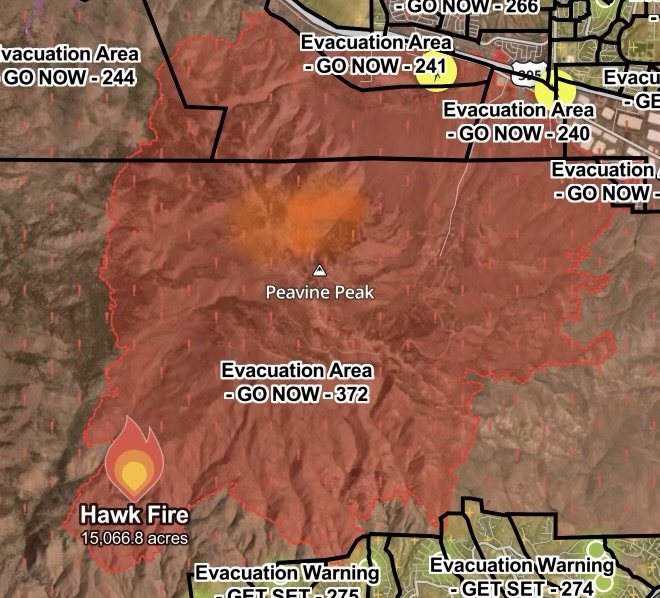
As of the latest update, the fire has grown to approximately 15,066 acres and is 27% contained. More than 700 firefighters and support personnel remain involved in the response as crews work to protect communities and strengthen containment lines. (Carson Now)
Hawk Fire Update: 15,066 Acres and 27% Containment
The Hawk Fire began on August 22, 2026, northwest of Reno and rapidly expanded through dry grass, brush and timber. Strong winds, low humidity and extremely dry vegetation contributed to the fire’s rapid spread during its initial days.
Firefighters have now established containment around 27% of the fire perimeter. Crews are continuing direct attack where conditions allow while using handlines, heavy equipment and aerial resources to protect communities and slow additional spread. (Emergency Washoe)
The increase in containment is an important improvement, but 27% containment does not mean the fire is fully controlled. Uncontained portions of the fire can continue to produce dangerous fire behavior, particularly when winds increase or temperatures rise.
Evacuation Orders and Warnings Remain Critical
Evacuation conditions have been changing as firefighters make progress.
Earlier in the incident, approximately 90,000 residents were affected by evacuation orders or warnings. By Monday, officials reported that approximately 23,000 people remained under evacuation orders, while another 40,000 residents were advised to remain prepared to evacuate. (The Guardian)
Some evacuation areas have since been downgraded as conditions improve. However, residents should rely on current instructions from local emergency officials rather than older evacuation maps or social-media posts.
Sierra County
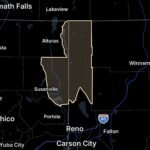
The Hawk Fire has affected areas northeast of Verdi and extended into Sierra County. Evacuation warnings have previously included Sierra County Zones E024 and E061, covering areas where residents needed to be prepared to leave if fire conditions deteriorated. (SFGate)
Residents in or near affected zones should remain prepared for rapid changes. Wildfires can shift direction quickly when winds change, even after a period of improved conditions.
Washoe County
Washoe County remains a major focus of the firefighting operation because of the fire’s proximity to Reno-area communities.
The Washoe County Sheriff’s Office has been supporting evacuation operations, patrols in evacuated areas and other emergency response activities. The fire is being managed under unified command involving federal and local firefighting agencies. (Washoe County Services)
Nevada Governor Joe Lombardo also declared a state of emergency in Washoe County as the fire rapidly expanded and threatened homes and structures. (Nevada Governor’s Office)
Some Evacuations Have Been Reduced
There is encouraging news for some residents.
Officials reported that U.S. 395 has reopened to northbound and southbound traffic, although access to North Virginia Street between Panther Drive and Village Parkway remained closed in the latest update.
Several areas east of U.S. 395 were also downgraded from “Evacuate Now” to “Get Set to Evacuate.” Those areas included White Lake, Granite Hills, Granite Peak, North Valleys Regional Park and the Alice Smith Elementary School area. (Carson Now)
Residents should remember that an evacuation downgrade is not the same as an all-clear. Conditions can change rapidly, and people should continue monitoring official emergency information.
Why the Hawk Fire Spread So Quickly
The fire’s rapid growth was driven by a combination of environmental and weather conditions.
Dry grass, brush and timber provided abundant fuel. Strong and shifting winds then helped push flames rapidly across the landscape and toward developed areas. Low humidity further dried vegetation and made suppression more difficult.
This combination is particularly dangerous in the Great Basin and Sierra Nevada region during late summer, when weeks or months of limited moisture can leave fine fuels extremely receptive to ignition.
Even after containment improves, hot temperatures, dry vegetation and gusty winds can continue to create spot fires and renewed fire activity outside established containment lines.
Homes Damaged as Firefighters Continue Assessments
The Hawk Fire has already caused significant damage.
At least 32 homes have been destroyed and six additional homes damaged, although officials caution that damage assessments are continuing and those numbers could increase. Seven injuries have also been reported, involving four civilians and three firefighters. (Carson Now)
More than 900 firefighters were reported working on the incident as crews from across the United States, along with international support from Australia and New Zealand, joined the firefighting effort. (Reuters)
What Residents Should Do Now
If you are in or near an evacuation zone, do not wait until flames are visible before preparing to leave.
Residents should:
- Monitor official evacuation information frequently.
- Know whether their address is under Evacuate Now or Get Set to Evacuate status.
- Keep vehicles fueled and facing an accessible exit.
- Have medications, important documents, phones and chargers ready.
- Bring pets and livestock to a safe location early when possible.
- Avoid driving toward fire areas or interfering with emergency operations.
- Follow road closures and directions from law enforcement.
- Be prepared to leave immediately if evacuation orders are expanded.
For people returning to areas where evacuations have been lifted, remember that burned areas can contain unstable trees, damaged structures, downed power lines and other hazards.
Hawk Fire Outlook
The increase to 27% containment and 15,066 acres represents meaningful progress for firefighters, but the Hawk Fire remains an active wildfire with uncontained portions.
The biggest concern for residents remains the possibility of changing wind, heat and extremely dry fuels allowing fire activity to increase again.
For now, the message for Sierra County and Washoe County residents is simple: stay informed, remain prepared and follow evacuation instructions immediately.
Radar Watch HQ Final Thoughts
The Hawk Fire has demonstrated how quickly a wildfire can move from open terrain into populated communities when dry fuels and strong winds combine.
While firefighters are gaining ground, containment is still incomplete. Residents should continue treating evacuation information seriously and avoid becoming complacent because conditions have temporarily improved.
Radar Watch HQ will continue monitoring the Hawk Fire, evacuation developments, weather conditions and changes across Sierra and Washoe counties.
Stay weather-aware. Stay fire-ready. Stay safe.
Affiliate Disclosure: As an Amazon Associate, Radar Watch HQ earns from qualifying purchases.
Radar Watch HQ Top 5 Essentials – Wildfire Preparedness
Helps reduce exposure to wildfire smoke, ash, and fine particles.
Provides alerts during power outages or when cell service is unavailable.
Go Bag / Emergency Preparedness Kit
Includes important documents, medications, water, food, flashlights, and basic supplies for quick evacuation.
Fire-Resistant Outdoor Supplies
Items such as fire-resistant gloves, protective clothing, and tools for creating defensible space around property.
Portable Power Bank & Backup Charging Supplies
Keeps phones and emergency devices powered during wildfire emergencies.