

Hurricane Rachel Remains a Category 1 Hurricane
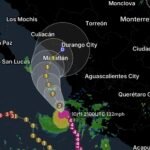
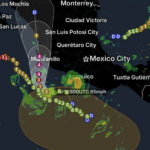
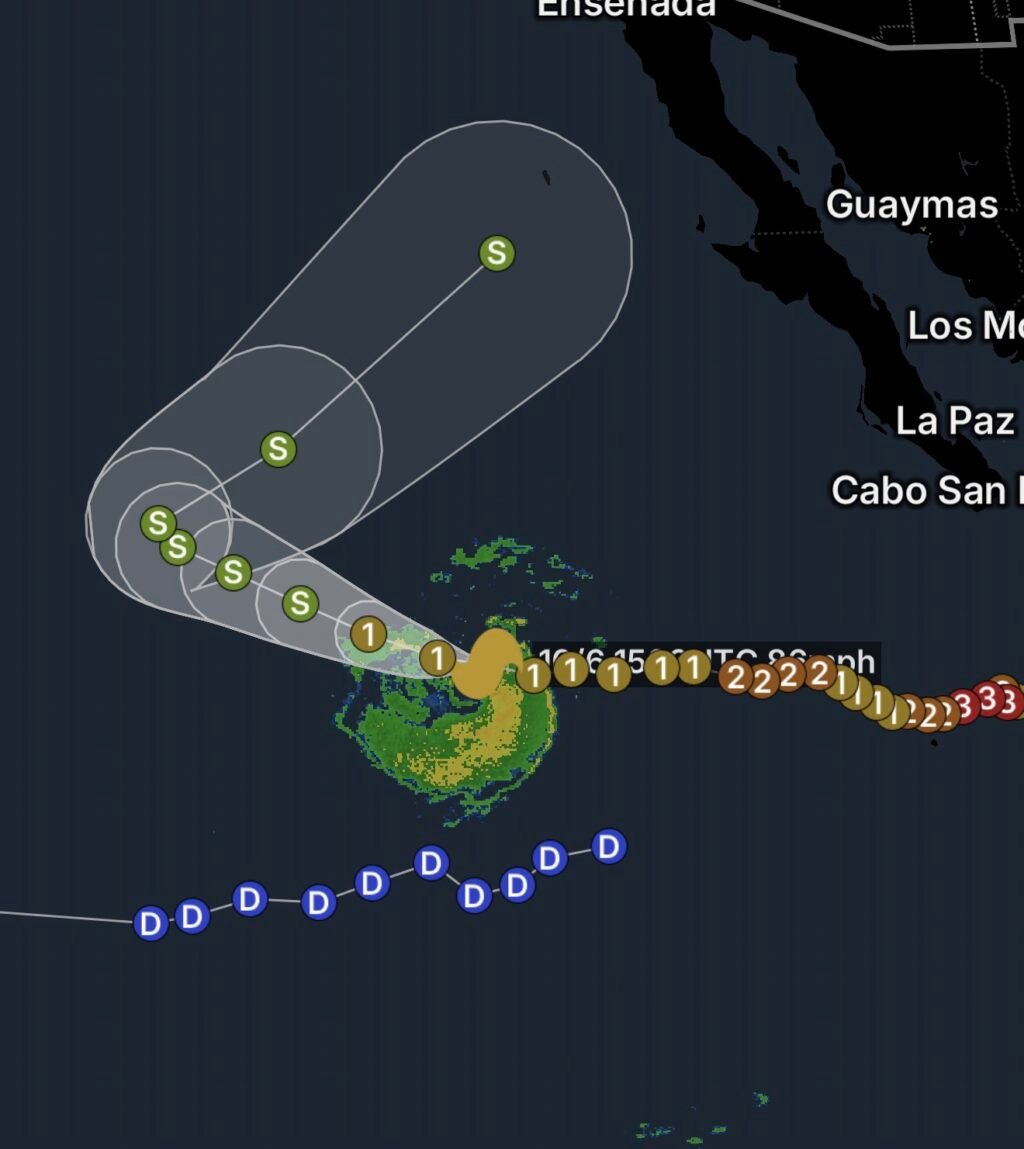
Hurricane Rachel is continuing westward over the eastern Pacific Ocean while gradually weakening. As of the National Hurricane Center’s 2:00 AM PDT advisory Tuesday, October 6, Rachel had maximum sustained winds of 85 mph, making it a Category 1 hurricane, and was moving west at about 8 mph. The center was approximately 585 miles west-southwest of the southern tip of Baja California. (National Hurricane Center)
There are currently no coastal watches or warnings associated directly with Rachel, and the hurricane is forecast to remain over the open Pacific. However, its large swells are reaching portions of the Baja California Peninsula and Southern California coastline. (National Hurricane Center)
Rachel-Generated Swells Affecting Southern California
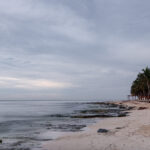
Even though Rachel is not expected to make landfall in Southern California, the hurricane is creating dangerous ocean conditions well away from its center.
The National Hurricane Center warns that swells generated by Rachel will continue affecting the Baja California Peninsula and portions of Southern California for the next several days. These swells can produce life-threatening surf and dangerous rip currents. (National Hurricane Center)
Southern California beaches should therefore remain alert to changing surf conditions, particularly during periods of larger waves and stronger rip currents.
Coastal Hazards Along Los Angeles and Ventura County Beaches
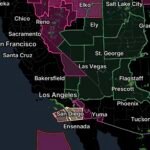
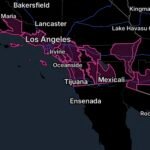
The National Weather Service Los Angeles/Oxnard office is reporting elevated coastal hazards affecting portions of Southern California.
A Beach Hazards Statement remains in effect from Tuesday afternoon through late Tuesday night for areas including:
- Catalina and Santa Barbara Islands
- Ventura County beaches
- Malibu Coast
- Los Angeles County beaches
The primary concerns are dangerous rip currents and breaking waves caused by elevated surf. (National Weather Service)
A Coastal Flood Advisory is also in effect from Wednesday morning through Friday evening for these areas, with minor coastal flooding possible along with elevated surf and dangerous rip currents. (National Weather Service)
What Beachgoers Should Know
The biggest concern from Rachel for Southern California is not hurricane-force wind, but dangerous ocean conditions.
Large or powerful waves can knock swimmers and surfers off their feet, while rip currents can quickly pull people away from shore.
Beachgoers should:
- Check local beach conditions before entering the water.
- Avoid swimming near piers, jetties and rocky areas during hazardous surf.
- Never turn their back on the ocean.
- Stay out of the water if lifeguards advise against swimming.
- Keep children close and closely supervised.
- If caught in a rip current, remain calm and swim parallel to the shoreline until out of the current, then head toward shore.
- Boaters should monitor marine forecasts and be prepared for rough, hazardous seas.
No Direct Southern California Hurricane Strike Expected
Rachel is currently moving west over the open eastern Pacific. The National Hurricane Center expects a westward to west-northwestward motion over the next several days, with gradual weakening forecast. (National Hurricane Center)
This means the primary Southern California concern is Rachel-generated swell and coastal hazards rather than a direct hurricane landfall.
Essentials: Stay Safe Along the Coast
🌊 Avoid dangerous surf: Large breaking waves can be powerful and unpredictable.
🏊 Watch for rip currents: Even experienced swimmers can be caught in strong currents.
🚨 Follow beach warnings: If a beach is closed or lifeguards recommend staying out of the water, take the warning seriously.
🚤 Use caution on the water: Elevated seas can create dangerous conditions for smaller vessels.
🌴 Be alert near the shoreline: Waves can surge farther inland than expected, especially around rocks, jetties and low-lying coastal areas.
Bottom Line
Hurricane Rachel remains a Category 1 hurricane over the open eastern Pacific, but its effects are being felt along the coast through elevated swells. Southern California beaches can expect dangerous surf and rip currents, while portions of the Los Angeles and Ventura County coastline face additional coastal flooding concerns later this week. (National Hurricane Center)
The safest choice is to respect beach warnings, stay out of hazardous water and check the latest National Weather Service coastal advisories before heading to the beach.