
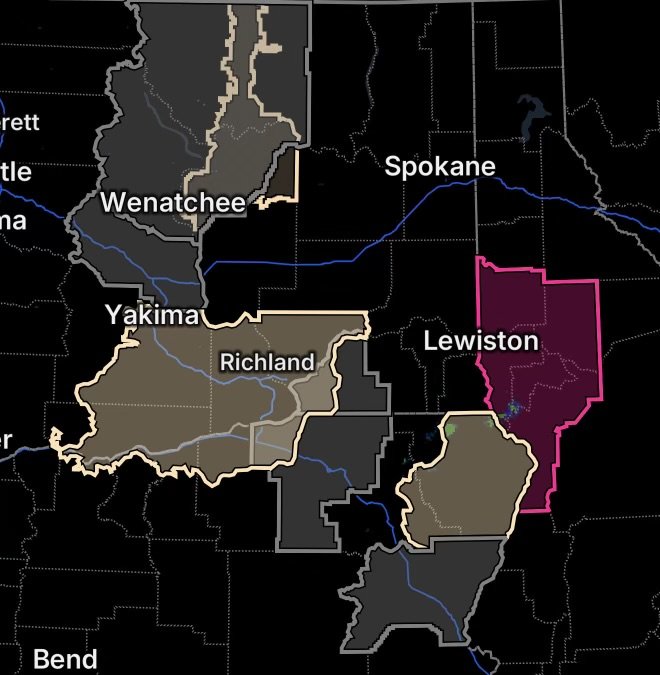
Air Quality Alert Covers Chelan, Douglas and Okanogan Counties
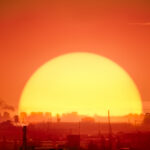
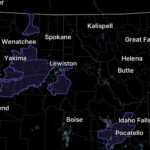
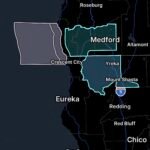
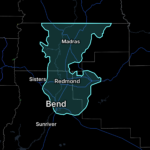
An Air Quality Alert is in effect for Chelan County, Douglas County and Okanogan County, Washington, as smoke from regional wildfires continues to affect communities across north-central Washington. The Washington Department of Ecology issued the alert because current and expected smoke could push fine particulate matter, or PM2.5, into unhealthy ranges, particularly downwind from active fires. (National Weather Service)
Communities potentially affected include Wenatchee, Leavenworth, Cashmere, Entiat, Chelan, Manson, Plain, East Wenatchee, Bridgeport, Waterville, Douglas, Omak, Okanogan, Tonasket, Brewster, Oroville, Mazama, Winthrop, Methow, Twisp and Conconully. (National Weather Service)
Smoke conditions can change rapidly as winds shift. Consequently, an area with relatively clear skies can experience worsening air quality when smoke moves into the region.
What Residents Should Do
When air quality becomes unhealthy:
- Limit prolonged outdoor exposure.
- Avoid strenuous outdoor activity.
- Keep windows and doors closed when outdoor air quality deteriorates.
- Use indoor air filtration when available.
- Check current air-quality readings before exercising or working outdoors.
- Follow local health and emergency-management guidance.
People who are particularly sensitive to smoke should take additional precautions when PM2.5 concentrations increase.
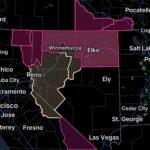
Fire Weather Watch Highlights Okanogan Valley and Waterville Plateau
A Fire Weather Watch is also highlighting dangerous fire-weather potential across portions of north-central Washington, including the Okanogan Valley and Waterville Plateau.
A Fire Weather Watch means conditions could become favorable for rapid wildfire growth. It is not the same as a Red Flag Warning, but it signals that residents, outdoor workers and firefighters should prepare for potentially dangerous conditions.
The combination of dry vegetation, low atmospheric moisture, warm temperatures and potentially stronger winds can allow a small ignition to become a rapidly spreading wildfire.
This is especially important in areas already dealing with active fires and smoke.
Red Flag Warnings Signal Critical Fire Conditions
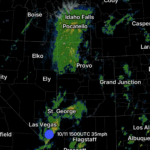
Red Flag Warnings indicate that critical fire-weather conditions are occurring or expected within the designated warning area.
During these conditions, a fire can start easily and spread rapidly. Strong winds can also cause flames and embers to move quickly across grass, brush and forest fuels.
The danger is particularly concerning when several ingredients occur simultaneously:
Low Humidity
Very low relative humidity removes moisture from vegetation and fine fuels. Dry grasses, leaves and brush can ignite much more readily under these conditions.
Wind
Increasing winds can rapidly expand a fire perimeter and make suppression more difficult. Wind can also transport embers ahead of the main fire, creating spot fires.
Extremely Dry Fuels
After prolonged hot and dry weather, vegetation can become highly receptive to ignition. Even a human-caused spark can become dangerous under critical fire-weather conditions.
Thunderstorms and Dry Lightning
Any thunderstorms that produce little rainfall can create an especially dangerous situation. Lightning can ignite fires while gusty, erratic winds can make fire behavior unpredictable.
Special Weather Statements Stretch Across Washington and Oregon
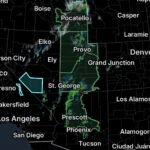
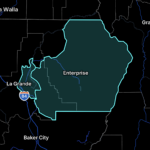
Additional Special Weather Statements are highlighting potentially hazardous conditions across a broad portion of the region.
Areas mentioned include the Eastern Columbia River Gorge of Oregon, Lower Columbia Basin of Oregon, Wallowa County, Eastern Columbia River Gorge of Washington, Yakima Valley, Lower Columbia Basin of Washington and Simcoe Highlands.
These statements emphasize that weather conditions can vary considerably from one location to another. Nevertheless, hot, dry and occasionally windy conditions can contribute to elevated wildfire concerns across the interior Northwest.
Why the Combination of Smoke and Fire Weather Matters
The current situation presents two related but different hazards.
Fire weather determines how easily fires can start and how aggressively they may spread. Air quality determines how smoke from existing fires affects people downwind.
Therefore, communities can experience poor air quality even when no wildfire is burning immediately nearby.
Wind direction is particularly important. A change in wind can quickly move smoke into populated valleys and basins while simultaneously increasing fire behavior elsewhere.
Recent wildfire activity across Washington underscores the concern. Multiple large fires remain active across the state, including significant incidents in Chelan and Okanogan counties. (FOX 13 Seattle)
What Residents Should Avoid During Red Flag Conditions
When a Red Flag Warning or Fire Weather Watch is in effect, residents should avoid activities that could accidentally ignite vegetation.
That includes:
- Outdoor burning.
- Campfires where prohibited or unsafe.
- Burning yard debris.
- Welding or grinding near dry vegetation.
- Parking vehicles on dry grass.
- Discarding cigarettes outdoors.
- Using equipment that can produce sparks near combustible vegetation.
A single spark can become a major wildfire when fuels are critically dry.
Prepare Before Conditions Worsen
Residents in wildfire-prone areas should use this period to review evacuation plans and emergency supplies.
Know at least two ways out of your neighborhood, keep vehicles fueled, and make sure important documents and medications can be quickly gathered if evacuation becomes necessary.
Because smoke conditions can deteriorate quickly, households should also have a plan for maintaining cleaner indoor air.
Radar Watch HQ Final Thoughts
The combination of an Air Quality Alert for Chelan, Douglas and Okanogan counties, a Fire Weather Watch for the Okanogan Valley and Waterville Plateau, Special Weather Statements across portions of Washington and Oregon, and Red Flag Warnings highlights a significant wildfire-weather and smoke concern across the Pacific Northwest.
The most important message is simple: take fire weather seriously, monitor air quality, and be prepared to act quickly if conditions change.
Residents should continue monitoring official weather alerts, local emergency-management notifications, wildfire updates and evacuation information. Conditions can evolve rapidly when winds increase and humidity falls.
Stay weather-aware, protect your air, prevent accidental ignitions, and never wait for a wildfire evacuation order to begin preparing.