












Powerful Earthquake Rattles Near Lembar, Indonesia – Tremors Felt Across Lombok Region
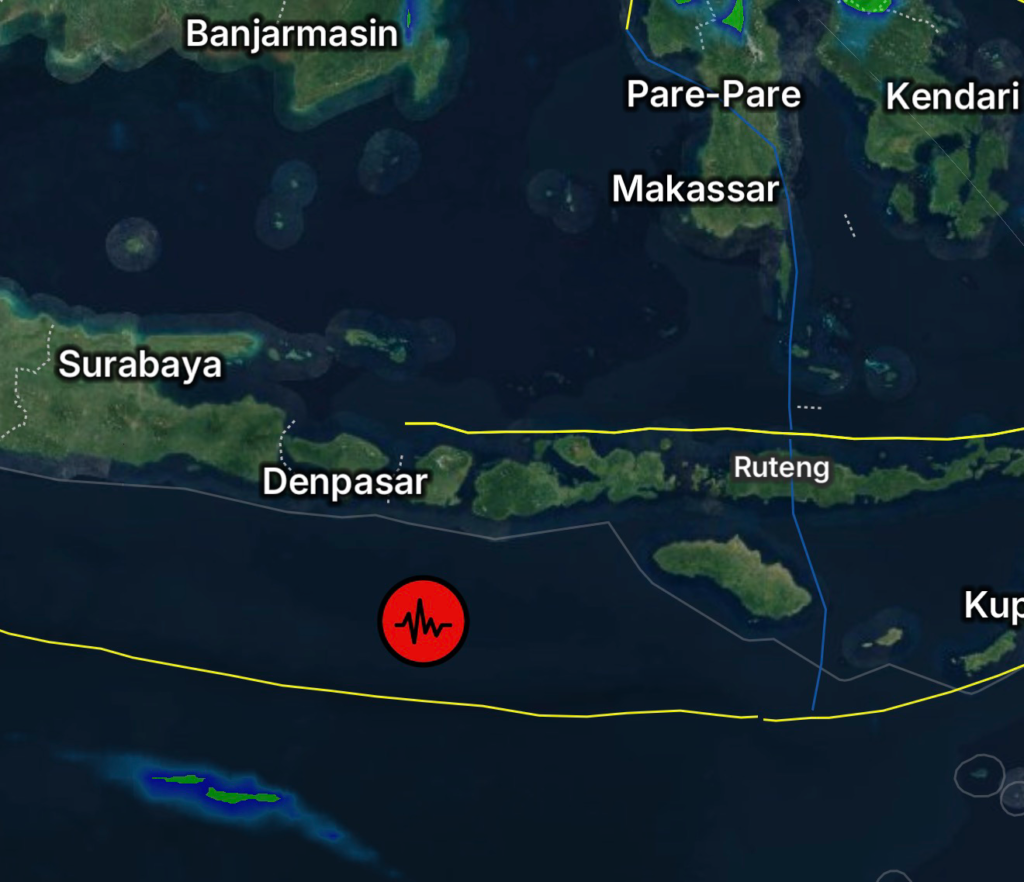
A strong earthquake struck near the coastal area of Lembar, sending noticeable tremors across parts of Lombok and nearby islands. Residents reported sudden shaking that lasted several seconds, prompting brief moments of concern as people moved to open areas for safety.
Indonesia is located along the highly active Pacific Ring of Fire, making it one of the most earthquake-prone regions in the world. This latest seismic event is another reminder of the constant tectonic movement occurring beneath the region’s islands.
Regional Impact and Ground Shaking
The earthquake was felt across multiple communities surrounding western Lombok. Coastal towns and inland villages experienced mild to moderate shaking depending on proximity to the epicenter. While no major structural damage has been widely reported at this time, local monitoring agencies continue to assess the situation.
Residents in lower-lying coastal zones were especially alert, as earthquakes in this region can sometimes trigger secondary hazards such as landslides or localized sea disturbances.
Why Indonesia Experiences Frequent Earthquakes
Indonesia sits at the convergence of several major tectonic plates, including the Indo-Australian, Eurasian, and Pacific plates. This complex geological setting creates frequent seismic activity, particularly around islands such as Lombok, Sumatra, and Java.
Earthquakes in this region are typically caused by the subduction of one plate beneath another, releasing built-up stress in the form of ground shaking.
Preparedness and Safety Awareness
Even moderate earthquakes can be disruptive, especially in densely populated or coastal areas. Experts consistently emphasize the importance of earthquake readiness in Indonesia, including:
- Knowing safe indoor and outdoor shelter spots
- Keeping emergency supplies ready
- Staying away from unstable structures after shaking stops
- Monitoring official seismic updates
Communities near Lembar remain alert as aftershocks are possible following the initial event.
Ongoing Monitoring
Seismological agencies continue to track aftershock activity and evaluate the full extent of the quake. Updates are expected as more data becomes available regarding magnitude, depth, and affected zones.
Residents and travelers in the region are encouraged to stay informed through official geological and emergency management sources as seismic activity in Indonesia can evolve quickly.
Earthquake Preparedness Essentials & Safety Guide
Being prepared before an earthquake occurs can make a significant difference in protecting yourself and your family. Keep essential emergency supplies in an easily accessible location and review your emergency plan regularly. Having the right equipment on hand can help you remain safe and self-sufficient during power outages, disrupted communications, or temporary service interruptions following an earthquake.
Earthquake Preparedness Essentials
- Emergency Survival Kit (Shop Emergency Survival Kits)
- Drinking water (at least one gallon per person per day for several days)
- Non-perishable food and a manual can opener
- First aid kit and essential medications
- Flashlight with extra batteries
- NOAA Weather Radio or battery-powered emergency radio
- Portable power bank for charging mobile devices
- Multi-tool or emergency tool kit
- Emergency blankets or sleeping bags
- Dust masks, work gloves, and protective goggles
- Whistle for signaling for help
- Personal hygiene and sanitation supplies
- Important documents stored in a waterproof container
- Cash in small bills
- Pet food and emergency supplies for pets, if applicable
Earthquake Safety Tips
- Before an earthquake: Secure heavy furniture, appliances, and televisions to walls. Know safe places in every room, such as under a sturdy table or desk.
- During an earthquake: Drop, Cover, and Hold On. Stay away from windows, mirrors, and heavy objects that could fall. If outdoors, move to an open area away from buildings, trees, and power lines.
- After an earthquake: Check yourself and others for injuries, inspect your home for hazards such as gas leaks or structural damage, and be prepared for aftershocks. Follow instructions from local emergency officials and avoid damaged buildings until they have been declared safe.
Affiliate Disclosure: As an Amazon Associate, Radar Watch HQ earns from qualifying purchases. If you purchase through our recommended links, we may receive a small commission at no additional cost to you. Your support helps us continue providing weather alerts, preparedness resources, and emergency safety information.