
Tropical Storm Moke moves west as Hawaii Island faces another day of rain, outages and difficult recovery conditions
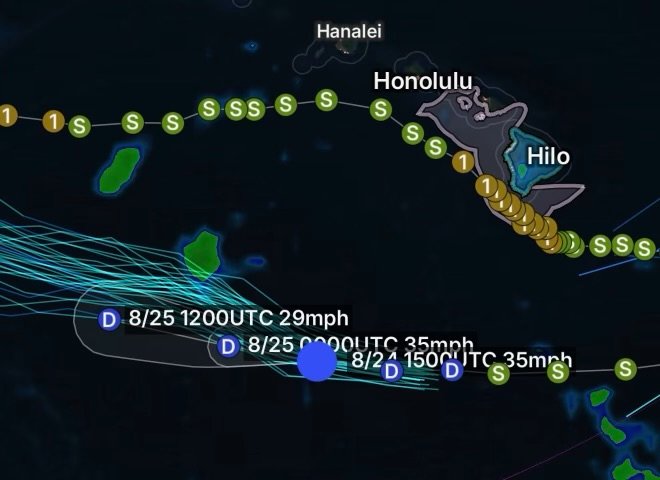
Hawaii Island is beginning the difficult road to recovery after back-to-back tropical impacts from Tropical Storm Lala and Tropical Storm Moke. While Moke has weakened to a tropical depression and is moving westward south of the Hawaiian Islands, its moisture continues to produce periods of rain across the Big Island.
The latest National Weather Service Honolulu forecast says Moke’s northern moisture plume will continue bringing wet conditions and a remaining flash-flood threat to Hawaii Island through Monday afternoon. (National Weather Service)
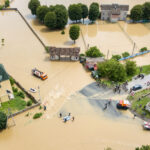
For communities already dealing with flooded areas, damaged roads, downed trees and power infrastructure damaged by Lala, even additional moderate rainfall can complicate cleanup and restoration efforts.
Moke Weakens, But the Threat Is Not Over
Moke has weakened considerably as it moves west away from the island chain. However, weakening does not immediately eliminate the storm’s impacts.
The National Weather Service says moisture associated with Moke remains capable of producing heavy showers, particularly across the Big Island. Southeast-facing slopes and portions of the Kona districts could see localized flooding as rainfall interacts with the island’s mountainous terrain. (National Weather Service)
Earlier forecasts called for several additional inches of rainfall across Hawaii Island, with isolated higher totals possible. Because the ground remains saturated from Lala, runoff can develop much faster than it would under normal conditions. (Big Island Now)
Why Saturated Ground Makes Recovery Harder
When soil is already saturated, additional rainfall has fewer places to go.
Instead of soaking into the ground, water can rapidly flow downhill into streams, drainage channels and low-lying communities. On steep terrain, that runoff can also contribute to mudslides and debris flows.
That means residents may continue seeing flooding even as Moke itself becomes weaker.
Hawaii Island Power Restoration Continues
Power restoration remains one of the major challenges facing Hawaii Island.
Hawaiian Electric reported on August 23 that approximately 3,200 customers on Hawaii Island had their power restored, while about 6,460 customers remained without electricity. Crews were continuing work in hard-hit communities including Kaloko Mauka, Mountain View, Glenwood, Ahualoa and parts of Kau. (PublicNow)
The restoration effort has been complicated by the extensive damage left behind by Lala, including damaged transmission and distribution infrastructure in remote areas.
Additional rain and gusty winds from Moke create another challenge: crews must balance restoration work with worker safety and changing weather conditions.
Hawaiian Electric has also received assistance from mainland utility crews, including Southern California Edison personnel, to help accelerate restoration efforts. (PublicNow)
Roads and Infrastructure Remain Part of the Recovery
Hawaii Island’s recovery is not simply about restoring electricity.
Flooding, washed-out roads, damaged bridges, fallen trees and debris can restrict access to communities and slow emergency response and utility repairs.
Lala caused particularly significant damage across southern and rural portions of the Big Island. Reports following the storm described extensive flooding and infrastructure damage, while utility assessments identified serious damage in remote areas. (AP News)
Now, recovery crews must work around another round of tropical moisture.
Drivers Should Expect Changing Conditions
Even where roads have reopened, conditions can change quickly.
Heavy showers can create:
- Water-covered roadways
- Mud and debris on roads
- Reduced visibility
- Falling branches
- Rockfalls and slope instability
- Localized flooding near streams and drainage channels
Never drive through a flooded roadway. Water can conceal washed-out pavement or dangerous debris beneath the surface.
Small Craft Advisories Remain Important
The weather concerns extend offshore.
The National Weather Service has extended Small Craft Advisories for portions of the waters around Maui County and Hawaii Island, including the Alenuihaha Channel, Big Island Leeward Waters and Big Island Southeast Waters. (National Weather Service)
Moke has contributed to elevated winds and short-period swells, while the islands are also dealing with lingering ocean conditions from Lala.
The National Weather Service notes that a west-northwest swell generated by Lala is expected to gradually fade, while marine conditions associated with Moke remain a concern. (National Weather Service)
What a Small Craft Advisory Means
A Small Craft Advisory means marine conditions may be hazardous for smaller vessels.
Boaters should carefully evaluate conditions before leaving port, monitor updated marine forecasts and avoid areas where winds, waves or thunderstorms create unsafe conditions.
The Lingering Remnants of Lala and Moke
Hawaii Island is dealing with more than one storm’s aftermath.
Lala left the original damage. Moke has added another round of rainfall to an already vulnerable landscape.
That combination is particularly important because the island does not get a chance to fully dry out and recover between weather events.
The National Weather Service expects Moke to continue moving west, with trade winds easing and more typical trade-wind weather returning later in the week. (National Weather Service)
That shift should give recovery operations a better opportunity to continue.
What Residents Should Do Now
Residents in affected areas should continue monitoring official weather and emergency information even as Moke weakens.
Stay Alert for Flooding
Do not assume that weakening tropical winds mean the flooding threat has ended. Rainfall can remain hazardous after a tropical system loses strength.
Stay Away From Downed Power Lines
Treat every downed power line as energized. Keep a safe distance and report hazards to the appropriate utility or emergency authorities.
Check on Neighbors
Residents recovering without electricity, particularly older adults and people in isolated communities, may need additional assistance with water, food, communication or transportation.
Give Utility Crews Room to Work
Crews are working in difficult terrain while navigating damaged infrastructure and changing weather. Avoid unnecessary travel through active work zones.
Hawaii Island’s Recovery Will Take Time
The weakening of Moke is an important step forward, but recovery from Lala and the subsequent impacts of Moke will not happen overnight.
For Hawaii Island communities, the next phase is about restoring power, reopening and repairing roads, clearing debris, assessing damaged homes and infrastructure, and allowing saturated ground to gradually recover.
The good news is that Moke is moving away and conditions are expected to improve as the week progresses. However, localized flooding and difficult travel conditions can continue during the transition.
Radar Watch HQ will continue monitoring Hawaii’s recovery, tropical weather and changing conditions across the Hawaiian Islands. Stay weather-aware, stay prepared and follow local emergency guidance.