

Tropical Storm Moke adds another challenge as Hawaii County communities recover from Lala
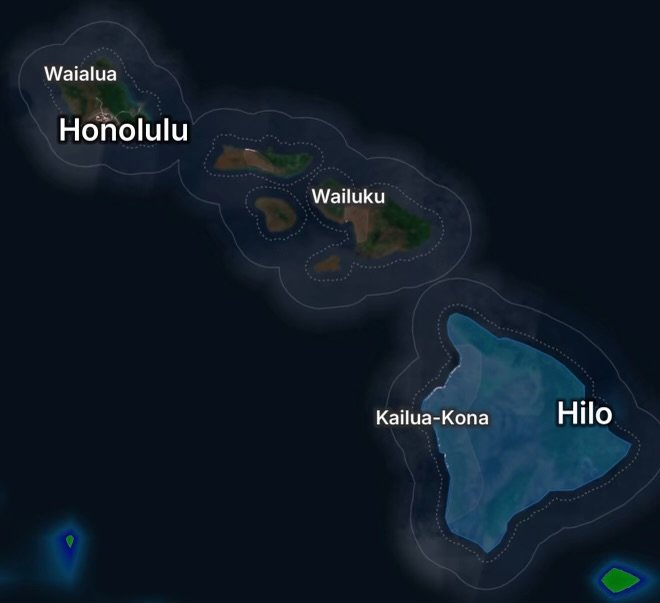
Hawaii is facing a difficult recovery period after a powerful one-two punch of tropical weather. Tropical Storm Lala brought destructive flooding, strong winds, infrastructure damage and widespread power outages across the Hawaiian Islands earlier this month. Now, Tropical Storm Moke is passing south of the islands, bringing another round of heavy rainfall and renewed concerns for communities that have not yet recovered.
For Hawaii County, the situation remains particularly serious. Thousands of customers on Hawai‘i Island are still without electricity, while saturated ground, damaged roads and weakened infrastructure are making restoration work more difficult. Hawaiian Electric reported that approximately 8,800 Hawaii Island customers remained without power as of August 22, even after about 2,500 customers were restored. (Hawaiian Electric)
Current outage tracking shows Hawaii County remains the hardest-hit county in the state, with roughly 6,400 customers without power as of the latest available update. (PowerOutage.us)
Lala left a major mark on Hawaii
The recent power outage emergency began with Hurricane Lala, which weakened to a tropical storm while affecting the islands but still produced major impacts.
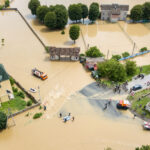
Lala generated torrential rainfall, damaging winds, flash flooding and mudslides. Some areas of the Big Island received more than 40 inches of rain, while flooding damaged homes, roads and bridges. (ABC News)
The electrical grid was also heavily damaged.
At the height of the storm’s aftermath, more than 117,000 Hawaiian Electric customers were without power across Hawaii. Downed trees, damaged poles, transmission problems and difficult access to remote communities complicated restoration efforts. (Hawaiian Electric)
Why Hawaii County has faced prolonged outages
The southern portion of Hawaii Island has experienced some of the most serious damage.
In the Kaʻū District, flooding washed out roads and bridges and isolated some communities. In addition, damaged electrical infrastructure has been difficult for crews to reach because of debris, flooding and transportation problems.
Hawaiian Electric previously warned that some severely damaged areas of southern Hawaii Island could require significantly longer restoration times than the rest of the state. (Hawaiian Electric)
Mainland utility crews have also been brought in to assist with the massive restoration operation. Southern California Edison personnel were deployed to support Hawaiian Electric crews working in some of the hardest-hit areas. (Hawaiian Electric)
Moke creates a dangerous recovery problem
The latest concern is Tropical Storm Moke.
Moke has passed south of Hawaii, but its proximity is still allowing deep tropical moisture to reach the islands. Hawai‘i Island has faced the greatest threat from heavy rain, with forecasts calling for several inches of rainfall and locally higher totals. (CBS News)
The biggest concern is not simply the amount of rain.
It is the condition of the ground.
After Lala’s extreme rainfall, soils across parts of the Big Island remain saturated. That means additional rainfall can run off much more quickly, increasing the potential for flash flooding, debris flows and mudslides.
This creates a difficult situation for power crews. Heavy rain, strong winds, flooded roads and unstable terrain can prevent utility workers from safely reaching damaged infrastructure.
Hawaiian Electric specifically warned that Moke’s heavy rain, strong winds, flooding and unsafe conditions could delay restoration work and potentially cause additional outages. (https://www.hawaiinewsnow.com)
Impacts extend beyond the Big Island
Although Hawaii County has experienced some of the most severe impacts, the recent storms have affected communities throughout the Hawaiian Islands.
Maui
Maui experienced strong winds, flooding and widespread utility impacts from Lala. Downed trees and damaged electrical infrastructure complicated restoration efforts, particularly in upcountry areas.
Oahu
Oahu also experienced widespread outages following Lala. Hawaiian Electric crews worked to stabilize the electrical system while customers were temporarily asked to conserve electricity as restoration progressed. (Hawaiian Electric)
Kauai
Kauai has generally experienced less severe impacts from the recent tropical systems than the Big Island, Maui and Oahu. However, the island chain remains vulnerable to periods of heavy rain, strong winds, high surf and flash flooding when tropical moisture moves through the region.
Why back-to-back storms are especially dangerous
The Hawaiian Islands can experience significant rainfall from tropical systems even when the center of a storm does not make landfall.
Mountains can force moist tropical air upward, enhancing rainfall. When soils are already saturated, runoff increases and streams can rise rapidly.
That is why a second storm can become dangerous even if it is weaker than the first.
Lala damaged infrastructure.
Moke is testing that damaged infrastructure again.
This combination increases the potential for additional flooding, road closures, landslides and power interruptions.
What Hawaii residents should do during an outage
Residents who remain without electricity should continue treating downed power lines as extremely dangerous. Never approach or touch a fallen line, and keep children and pets away from damaged electrical equipment.
During periods of heavy rain, residents should also avoid driving through flooded roads. Water can conceal washed-out pavement, debris or damaged bridges.
If power is restored and then lost again, residents should report the outage and monitor Hawaiian Electric and local emergency-management information for restoration updates.
Hawaiian Electric provides current outage information and an outage map for Hawaii Island. Hawaii Island Outage Map
Radar Watch HQ Final Thoughts
Hawaii is dealing with more than a simple power outage event. The islands are in the middle of a challenging recovery following destructive tropical weather, and Hawaii County remains one of the areas facing the greatest strain.
The combination of damaged infrastructure, saturated ground and another tropical system makes recovery more complicated.
While Moke is moving away from the islands, residents should remain alert for flooding, unstable slopes, debris and additional power interruptions as crews continue repairing the damage left behind by Lala.
For Radar Watch HQ, the key message is simple: the storm may move away, but the hazards created by the storm can last much longer.
Stay weather aware, monitor local emergency information and avoid unnecessary travel through areas affected by flooding or storm damage.
Stay Connected With Radar Watch HQ
Follow Radar Watch HQ for continuing coverage of tropical weather, power outages, flooding and severe weather impacts across the United States and beyond.