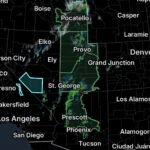

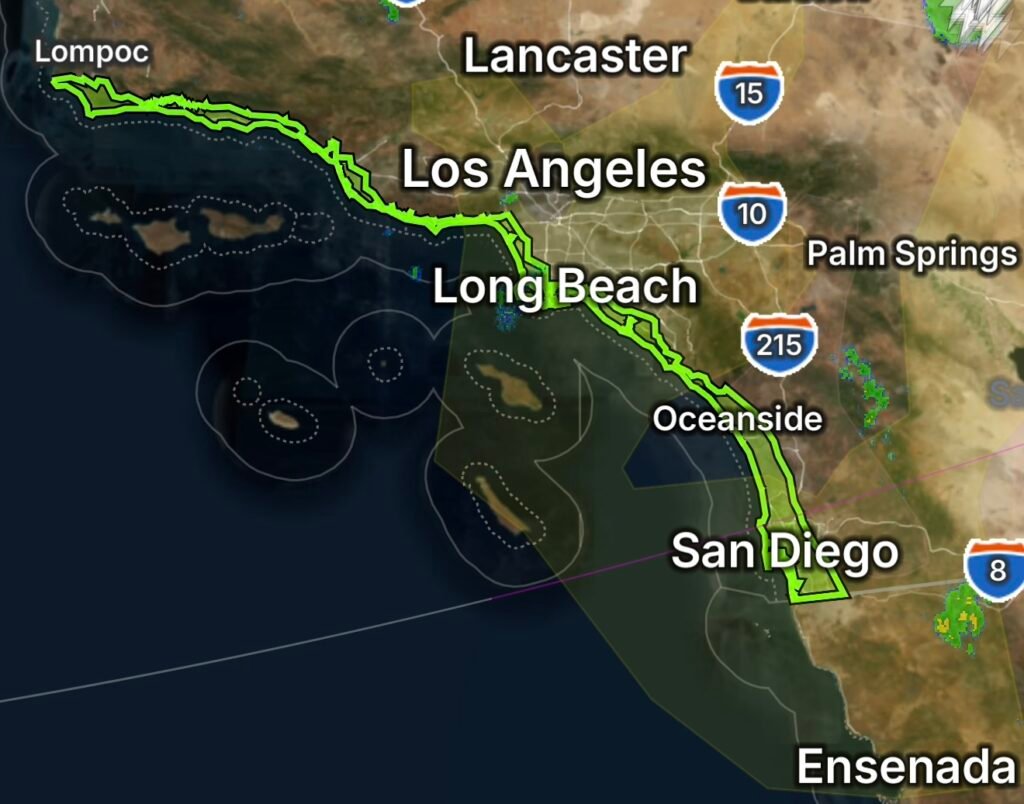
Coastal flooding may impact beaches and low-lying shoreline areas from Santa Barbara to San Diego
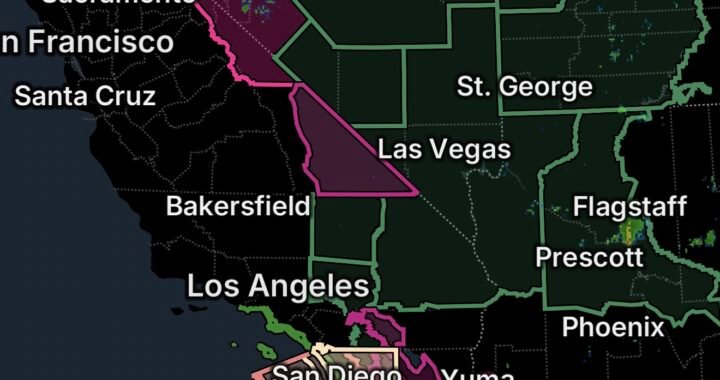
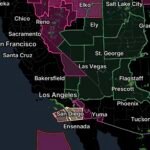
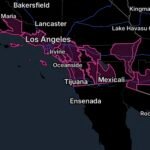
Southern California’s coastline is under Coastal Flood Advisories today, August 11, as elevated water levels and coastal conditions create a risk of flooding along vulnerable beaches, shorelines, and low-lying coastal locations.
Areas Under the Coastal Flood Advisory
The advisory includes coastal areas across several Southern California counties:
- Santa Barbara County Southwestern Coast
- Santa Barbara County Southeastern Coast
- Ventura County Beaches
- Malibu Coast
- Los Angeles County Beaches
- San Diego County Coastal Areas
- Orange County Coastal Areas
Coastal Flooding Could Affect Low-Lying Areas
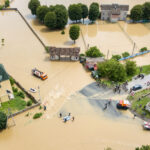
Coastal flooding can occur when higher-than-normal water levels push seawater farther inland than usual. Beach parking lots, waterfront roads, walkways, bike paths, harbors, and other low-lying locations may be particularly vulnerable.
Residents and visitors along the Southern California coast should remain alert for changing shoreline conditions. Water can move farther inland than expected, especially around beaches, jetties, seawalls, and other exposed coastal locations.
Beachgoers Should Use Extra Caution
If you’re heading to the beach, keep a safe distance from the shoreline and avoid walking near areas where waves are breaking over rocks, seawalls, or other structures.
Drivers should also avoid flooded coastal roads. Even shallow water can hide hazards or damage road surfaces.
Santa Barbara to Los Angeles Coast
Coastal communities from Santa Barbara County through Ventura County, Malibu, and Los Angeles County could see localized flooding in vulnerable shoreline locations.
People visiting beaches should pay attention to posted signs and local officials, particularly around low-lying access points and coastal roads.
Orange County and San Diego Coast
Further south, the advisory extends to Orange County coastal areas and San Diego County coastal areas. Popular beaches, waterfront communities, parking areas, and coastal pathways may experience localized flooding where water levels rise.
Conditions can change quickly, so visitors should monitor the latest local coastal information before heading to the shoreline.
Radar Watch HQ Safety Reminder
If you live near the coast or plan to visit Southern California beaches today, stay aware of changing water conditions. Avoid flooded areas, never drive through coastal floodwater, and move to higher ground if water begins approaching your location.
Radar Watch HQ will continue monitoring significant weather and coastal threats across California and the United States.
Stay weather-aware, stay prepared, and stay safe. Follow Radar Watch HQ for the latest weather alerts and updates.
Affiliate Disclosure: As an Amazon Associate, Radar Watch HQ earns from qualifying purchases.
Radar Watch HQ Top 5 Essential Emergency Preparedness Picks
Whether you’re preparing for severe thunderstorms, flash flooding, hurricanes, wildfires, or extended power outages, these five emergency essentials can help keep your household safer when severe weather strikes.
A portable power station provides reliable backup electricity during outages, allowing you to power phones, medical devices, laptops, lights, small appliances, and communication equipment without fuel.
Best for:
- Extended power outages
- Severe thunderstorms
- Hurricanes
- Winter storms
- Wildfires
2. Flood Protection Barriers & Sandless Flood Bags
Flood barriers help divert or absorb water before it enters garages, doorways, and low-lying areas. They deploy quickly and can help reduce property damage during flash flooding.
Best for:
- Flash Flood Warnings
- Heavy rainfall
- River flooding
- Coastal flooding
3. Rechargeable LED Flashlights
Bright, dependable flashlights are essential when the power goes out. Rechargeable or solar-powered models provide long-lasting illumination for navigating safely indoors and outdoors.
Best for:
- Overnight power outages
- Emergency evacuations
- Storm damage inspections
Keep phones, tablets, weather radios, and USB-powered devices charged when the electrical grid is unavailable. A solar power bank offers an additional charging option during prolonged emergencies.
Best for:
- Communication during outages
- Emergency weather alerts
- Travel and evacuation
A NOAA Weather Radio delivers official weather alerts directly from the National Weather Service, even when cellular networks or internet service are unavailable. It remains one of the most dependable ways to receive life-saving warnings.
Best for:
- Tornado warnings
- Severe thunderstorm warnings
- Flash flood warnings
- Hurricane alerts
- Winter storm emergencies
Why Radar Watch HQ Recommends These Essentials
At Radar Watch HQ, preparedness is just as important as staying informed. These five emergency essentials can help you stay connected, protect your property, and safely navigate severe weather events. Having supplies ready before storms arrive allows you to respond quickly when warnings are issued and conditions begin to deteriorate.