


Wildfire Smoke Creates Dangerous Air Quality Conditions Across the Pacific Northwest
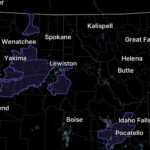
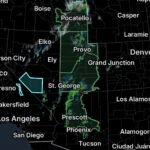
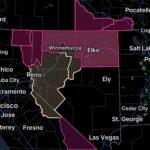
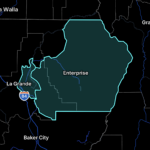
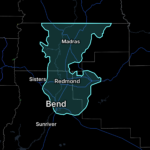
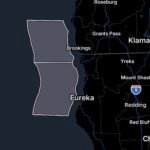
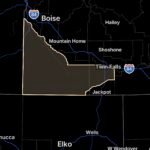
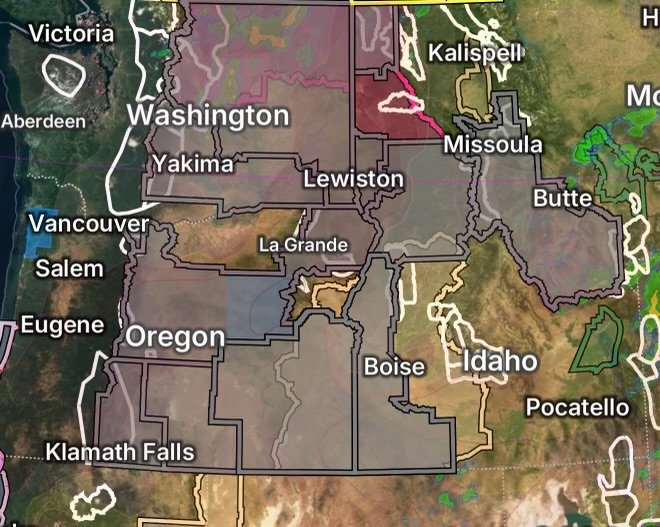
Air Quality Alerts are affecting communities across Washington, Oregon, and portions of Idaho as active wildfires continue to produce smoke and fine particles that can travel far beyond the immediate fire zones.
Wildfire smoke can quickly change air quality, particularly when winds push smoke into populated areas or when weather conditions trap smoke near the ground. Even communities located well away from an active wildfire can experience unhealthy air.
Residents should monitor local air-quality conditions and take precautions whenever smoke becomes noticeable or an Air Quality Alert is issued.
Why Wildfire Smoke Is Dangerous
Wildfire smoke contains extremely small particles, including fine particulate matter known as PM2.5. These particles can penetrate deep into the lungs and may affect breathing and cardiovascular health.
Smoke exposure can become more concerning during prolonged periods of poor air quality. People who are especially sensitive to smoke should take precautions early rather than waiting for conditions to become severe.
Washington, Oregon and Idaho Communities Should Monitor Conditions
Smoke impacts can vary significantly from one community to another. Wind direction, terrain, temperature and atmospheric stability can determine where smoke concentrates.
Residents across affected portions of Washington, Oregon and Idaho should:
- Check current air-quality conditions before spending extended time outdoors.
- Keep windows and doors closed when outdoor air quality is poor.
- Limit strenuous outdoor activities when smoke levels increase.
- Follow local health and emergency-management guidance.
- Pay attention to changing wind conditions that can rapidly move smoke into new areas.
Protect Yourself During Active Air Quality Alerts
The safest approach during periods of unhealthy wildfire smoke is to reduce exposure.
If possible, remain indoors with windows and doors closed. Avoid activities that bring outdoor air inside, such as unnecessary opening of doors and windows.
A properly maintained air cleaner or HVAC system with appropriate filtration can help improve indoor air quality. When using an air-conditioning system, use a recirculation setting when appropriate so the system does not continuously pull smoky outdoor air indoors.
If you must go outside, reduce the amount of time spent in smoky conditions and avoid strenuous activity. A properly fitted respirator designed to filter fine particles can provide additional protection from wildfire smoke.
Know When Smoke Is Becoming a Serious Problem
Smoke exposure can cause symptoms such as coughing, throat irritation, wheezing, difficulty breathing, headaches, or irritated eyes.
People experiencing significant or worsening breathing problems, chest pain, severe symptoms, or other medical concerns should seek appropriate medical attention.
Do not assume that smoke is harmless simply because visibility remains relatively good. Fine particles can still be present even when smoke is not extremely dense.
Prepare for Rapidly Changing Wildfire Conditions
Wildfires can spread or change direction quickly. Residents in areas threatened by active fires should keep emergency supplies ready and remain alert for evacuation information.
If local officials issue an evacuation order, leave promptly and follow the designated evacuation routes. Do not wait until smoke becomes extremely heavy or roads become difficult to travel.
Keep phones charged, maintain access to emergency notifications, and have essential medications, important documents, water, food and other necessities ready if evacuation becomes necessary.
Bottom Line
Air Quality Alerts across Washington, Oregon, and portions of Idaho are an important reminder that wildfire impacts extend well beyond the flames. Smoke can travel substantial distances and create unhealthy conditions in communities that are not directly threatened by fire.
During active wildfire smoke events, reduce outdoor exposure, keep indoor air as clean as possible, monitor air-quality updates, and follow evacuation instructions when issued.
Stay alert, protect your lungs, and continue monitoring Radar Watch HQ for developing weather and wildfire conditions.
Radar Watch HQ Air Quality Essentials
Affiliate Disclosure: As an Amazon Associate, Radar Watch HQ earns from qualifying purchases.
- HEPA Air Purifier – Helps remove smoke, dust, pollen, and fine particulate matter (PM2.5) from indoor air.
- N95 Respirator Masks – Provides added protection when outdoor air quality reaches unhealthy levels.
- Portable Air Quality Monitor – Tracks indoor PM2.5, AQI, temperature, and humidity in real time.
- Replacement HEPA Air Filters – Keep home HVAC systems and air purifiers operating efficiently during extended air quality events.
- Portable Battery Power Station – Keeps air purifiers, fans, phones, and other essential devices powered during outages caused by severe weather or wildfire-related emergencies.